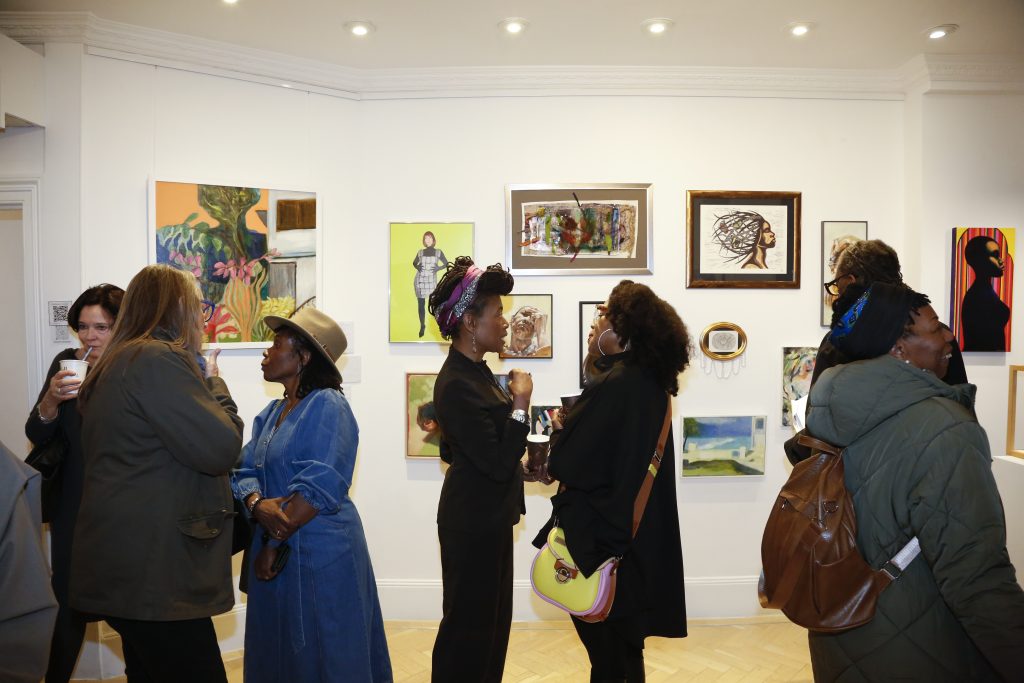


Our art exhibition About Love closed last week, so needless to say, love has been on my mind. The exhibition touched on its many variations, from romantic expressions to bold political statements, but at its heart, the exhibition was about the kind of love that actually matters. The kind that cares about human dignity. The kind that shows up unrehearsed, inconvenient, in a room full of people, and does something.
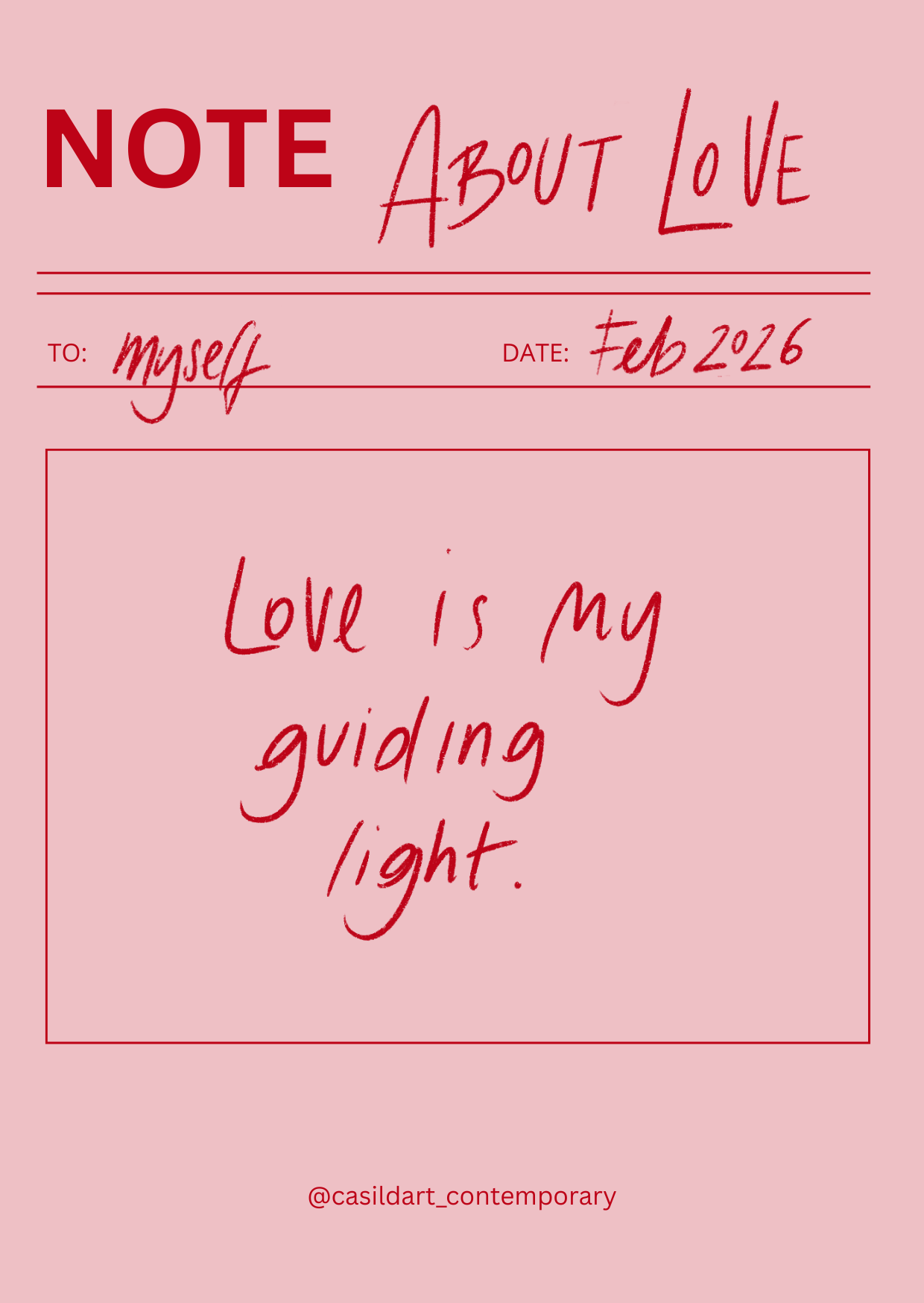
As part of the exhibition, we asked you to tell us what love means to you and this sentiment ‘Love is my guiding light’ resonated with me – even more powerfully in light of the racial slur that actors, Delroy Lindo and Michael B Jordan had to ‘manage’ at the recent @Bafta Awards ceremony.
There’s been a lot of debate, a lot of conversation, a lot of anger — justified and unjustified — and a lot of institutional language dressed up as accountability. Everyone has had something to say about procedure, about Tourette’s, about the BBC’s tape delay, about dignity and professionalism and resilience. But I keep coming back to a simpler, more BASIC question: what happened to love?
Love, it seemed, made a swift exit from the room.
But here is what love does not do. Love does not prepare a beautifully worded statement and release days later. Love does not thank someone for their “incredible dignity and professionalism” while the wound that requires that dignity is not addressed on the stage. Love does not announce, into a prestigious hall, that there might be some strong language tonight — and fails to protect the two Black men who would be standing, exposed, at the front of the room when it arrived.
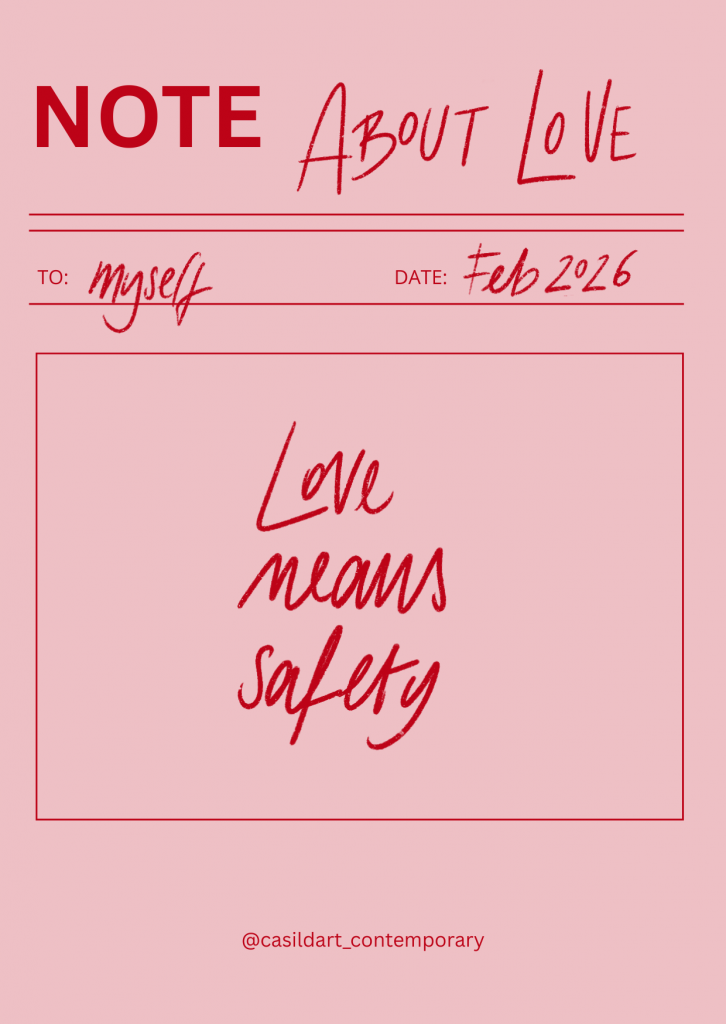
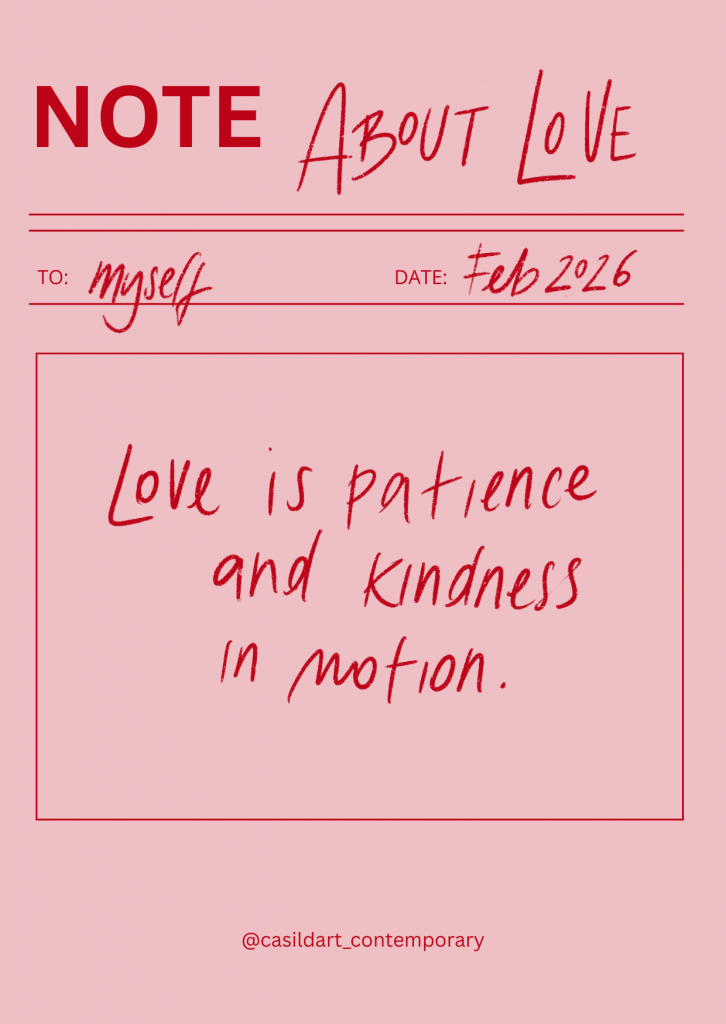
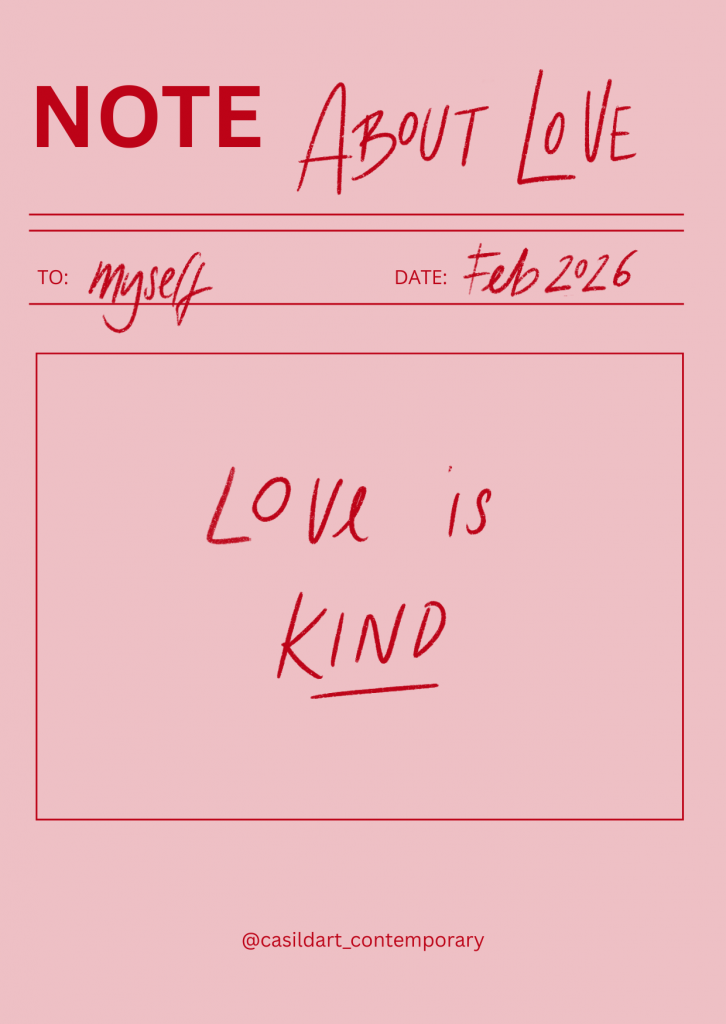
James Baldwin understood this. He wrote that love was not a feeling but an act of attention, a choice to hold someone fully in your vision, not just the parts of them that are convenient or comfortable or useful to the story you’re already telling. Toni Morrison understood it differently but arrived at the same place: that to be truly looked at, by someone who does not flinch, is one of the most radical things one human being can offer another.
Love sees people before the crisis. Not after.
This is the thing that gets lost in all the institutional blah, blah, blah around the BAFTA incident — the meticulous, lawyerly word-architecture of we take full responsibility and we will learn from this. Delroy Lindo said he and Jordan “did what we had to do.” He said he wished “someone from BAFTA spoke to us afterwards.” Not a committee. Not a statement. Someone. A human being. Afterwards.
That’s not a demand. That is the most modest possible expression of wanting to be seen.
What BAFTA offered instead was logistics.
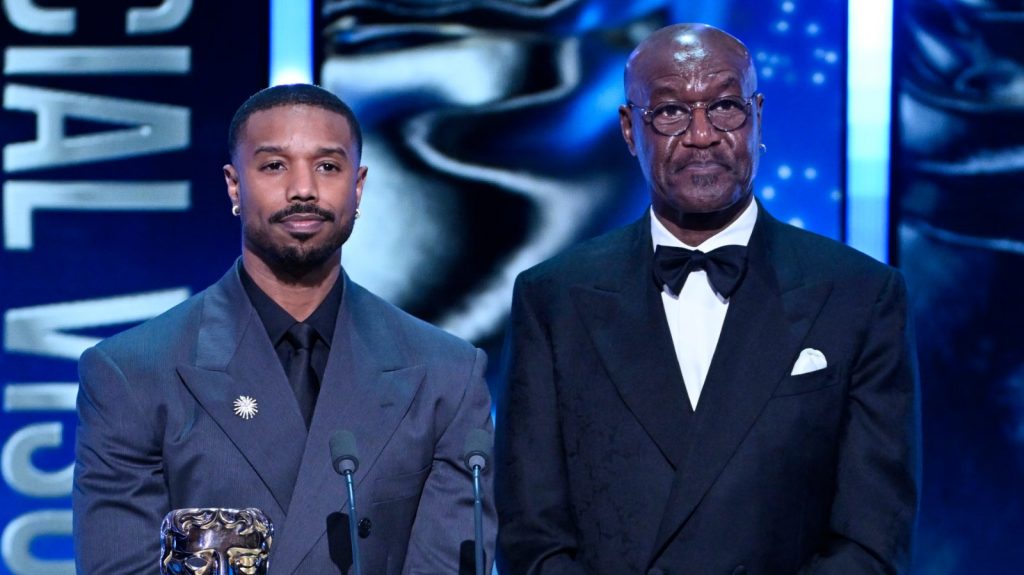
Michael B. Jordan and Delroy Lindo at the BAFTA awards in February 2026.
And this is where the tragedy deepens, because it was not simple malice. BAFTA made announcements before the ceremony, telling the audience John Davidson was in the room, that they might hear involuntary outbursts. They thought they were doing the loving thing – inclusion, visibility, holding space. They celebrated a film about Davidson’s fight to be seen fully, not reduced to his worst moments. The irony (if indeed it was irony) is that an institution so committed to the idea of seeing people forgot to actually look at the ones standing right in front of it.
According to multiple sources, none of the nominees or presenters were told anything ahead of the show. The room was informed. The stage was not. The institution protected its narrative of inclusion without doing the actual work of it, which is always, always, about the specific person in front of you. Not people in the abstract. This person. Now. What do they need? In that sense BAFTA did not respect or take care of these mean as they should have.
Lindo said he processed the slur in “a nanosecond” – thought wait, did I just hear what I thought I heard? – and then refocused, adjusted his glasses, kept reading the teleprompter. His wife, watching from the audience, noticed the glasses. She knew. He let it go, he said, in that nanosecond. Because he had to. Because there was a room full of people and a job to do and a lifetime of practice in exactly this kind of moment.
That practiced swallowing — that nanosecond — is what institutions call dignity when they want to praise it and call resilience when they want to weaponise it. What it actually is, is exhaustion. Not the exhaustion of weakness. The exhaustion of a man who has had to be very, very good at responding to assaults on his dignity. But what choice did he really have, in that moment, to call out @BAFTA for their careless attitude towards him and Jordan.
Hannah Beachler, the Oscar-winning production designer on Sinners, wrote that another outburst that night was directed at her and that what made it worse was “the throwaway apology of ‘if you were offended’ at the end of the show.” If you were offended. As though offence were a personal quirk, a sensitivity, a failure of generosity on her part. As though the correct response to harm is to wonder whether the harmed person is perhaps overreacting. But shouldn’t we ALL have been offended?!
This is the oldest trick institutions play. They make the question about the response rather than the act. They invite us to audition our pain – to prove it is real, proportionate, deserving. And then they commend us, warmly, when we pass.
BAFTA said it would “keep inclusion at the core of all we do, maintaining our belief in film and storytelling as a critical conduit for compassion and empathy.” Which is a beautiful sentence. Film is a conduit for compassion. Stories do expand what we’re able to feel for people unlike ourselves. And yet, on the night, with real people on a real stage, the institution reached for its process instead of its humanity.
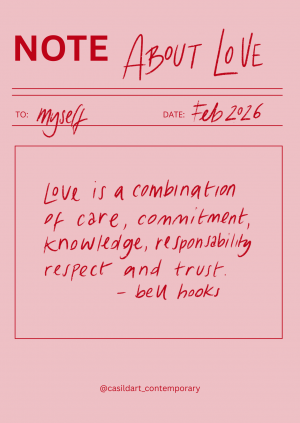
Love should not get in the way of bureaucratic procedures and policy, but notably bureacracy and policy do get in the way of love. Love provides a framework for empathy and care – for REAL inclusion to take place. According to the African American writer and cultural theorist bell hooks, love is a moral and ethical commitment that can serve as the foundation for structuring communities and institutions and, if we want these to be better, we need to see and be love in action.
If love had been in the room that night, someone would have walked across it to Lindo and Jordan after the incident, and said: that should not have happened to you. Are you Ok?
Nobody walked across the room.
At the NAACP Image Awards the following weekend, Lindo received a standing ovation. He thanked everyone for their love and support and called it “a classic case of something very negative becoming very positive.” And in that room – that room, filled with people who did not need the nanosecond explained to them – his humanity was seen. Properly. Completely.
The love was there.
BAFTA and the BBC should sit with that. Not with what went wrong procedurally. But with the simpler, more devastating question underneath it all: why did they invite two Black men to travel to a different room, a different continent, a different ceremony, to be insulted and then not to do the right thing and hold them – lovingly?
If they had been guided by love, the dignity of these two Black men would have been upheld.
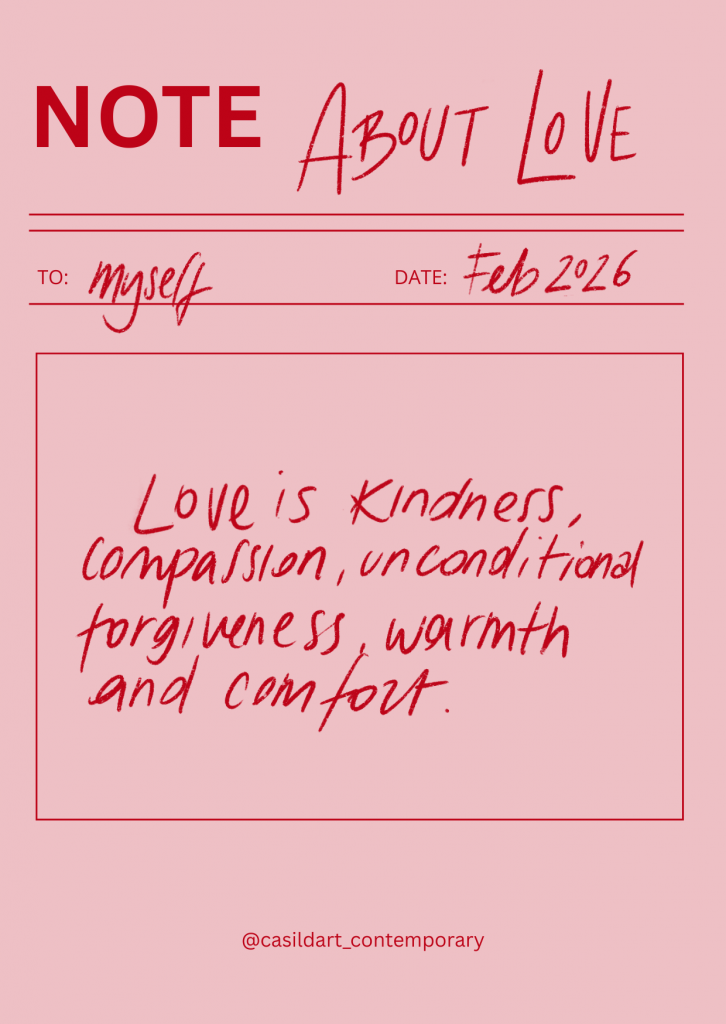
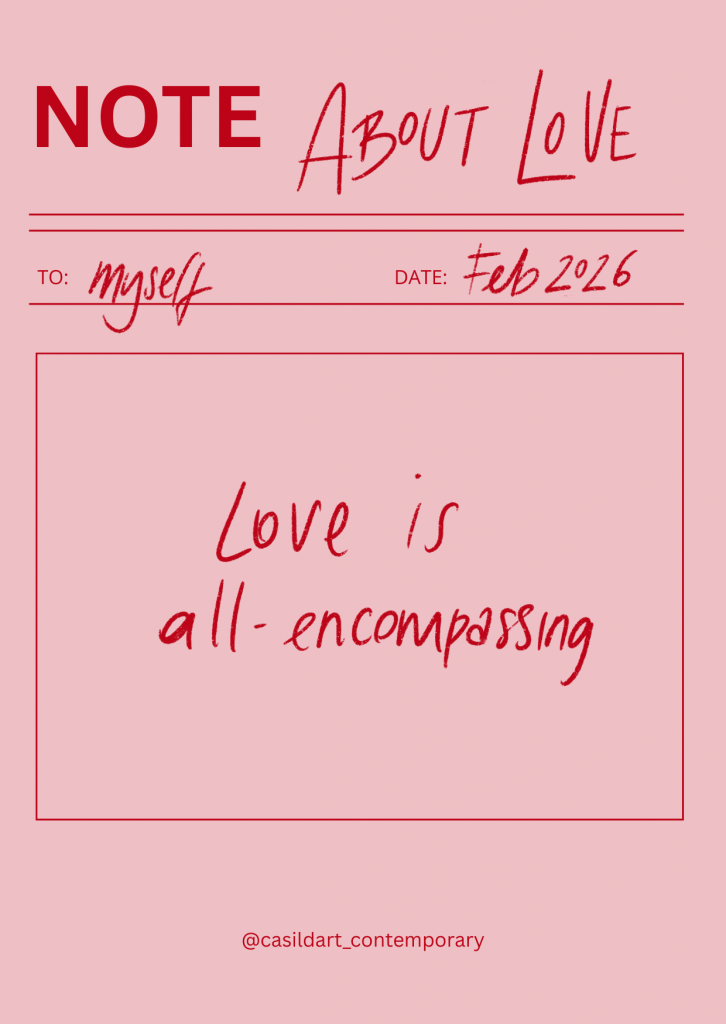
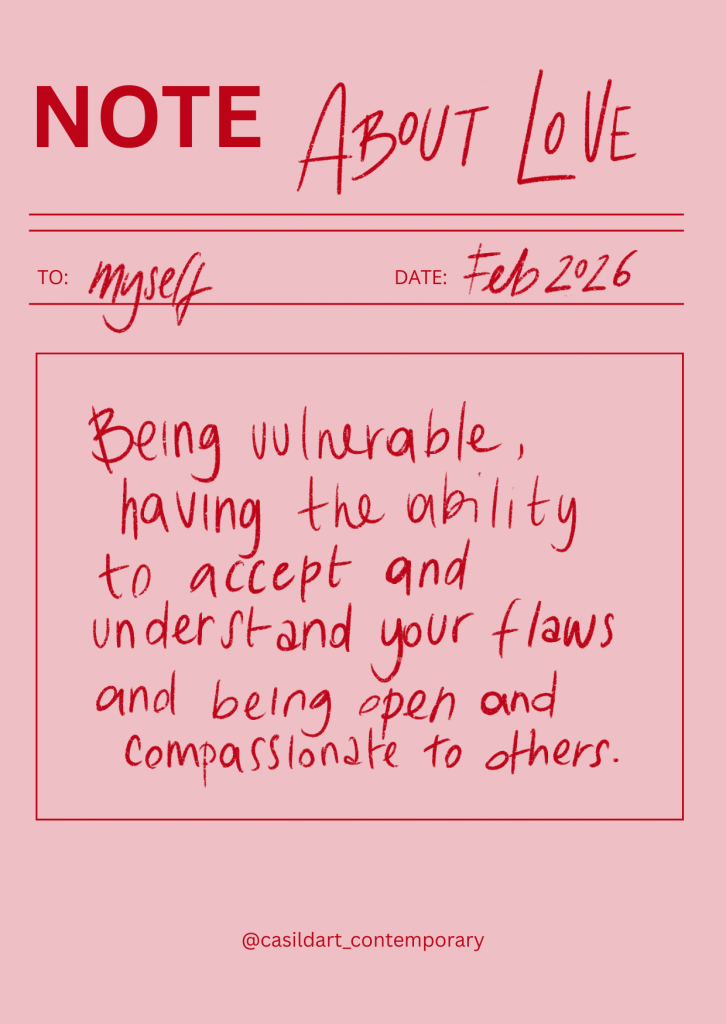
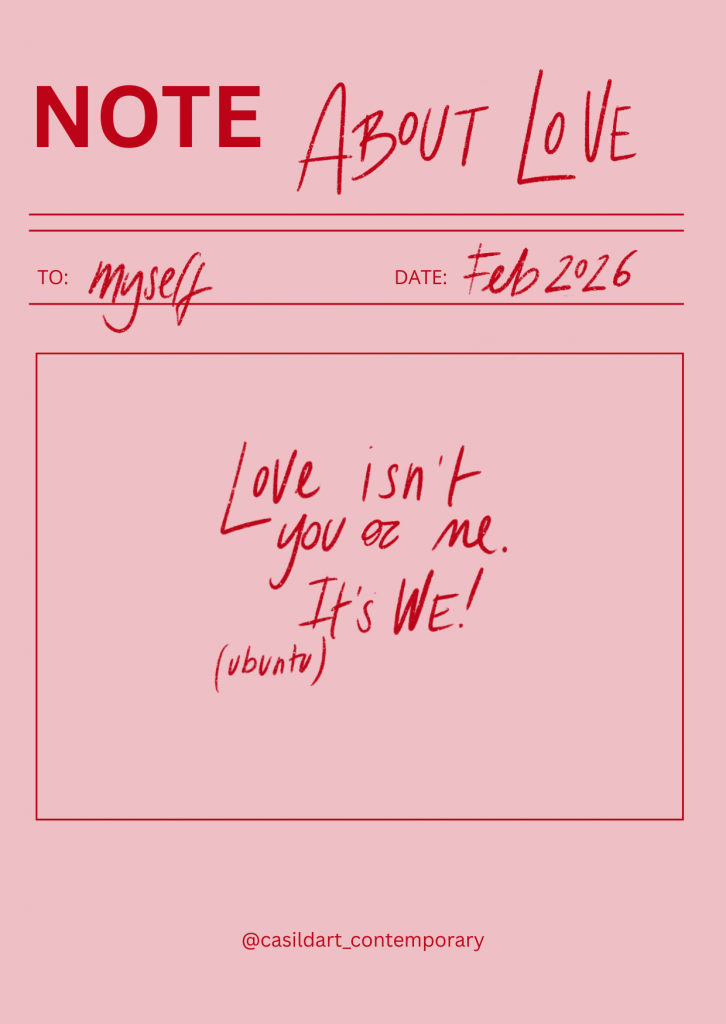
We asked YOU to tell us what love means to you, and from your responses we created a series of postcards. These are available for purchase in the gallery.